Why Sharp-Edge Resin Dice Still Stand Out
Why crisp-edged resin dice photograph so well, and what to inspect before ordering.
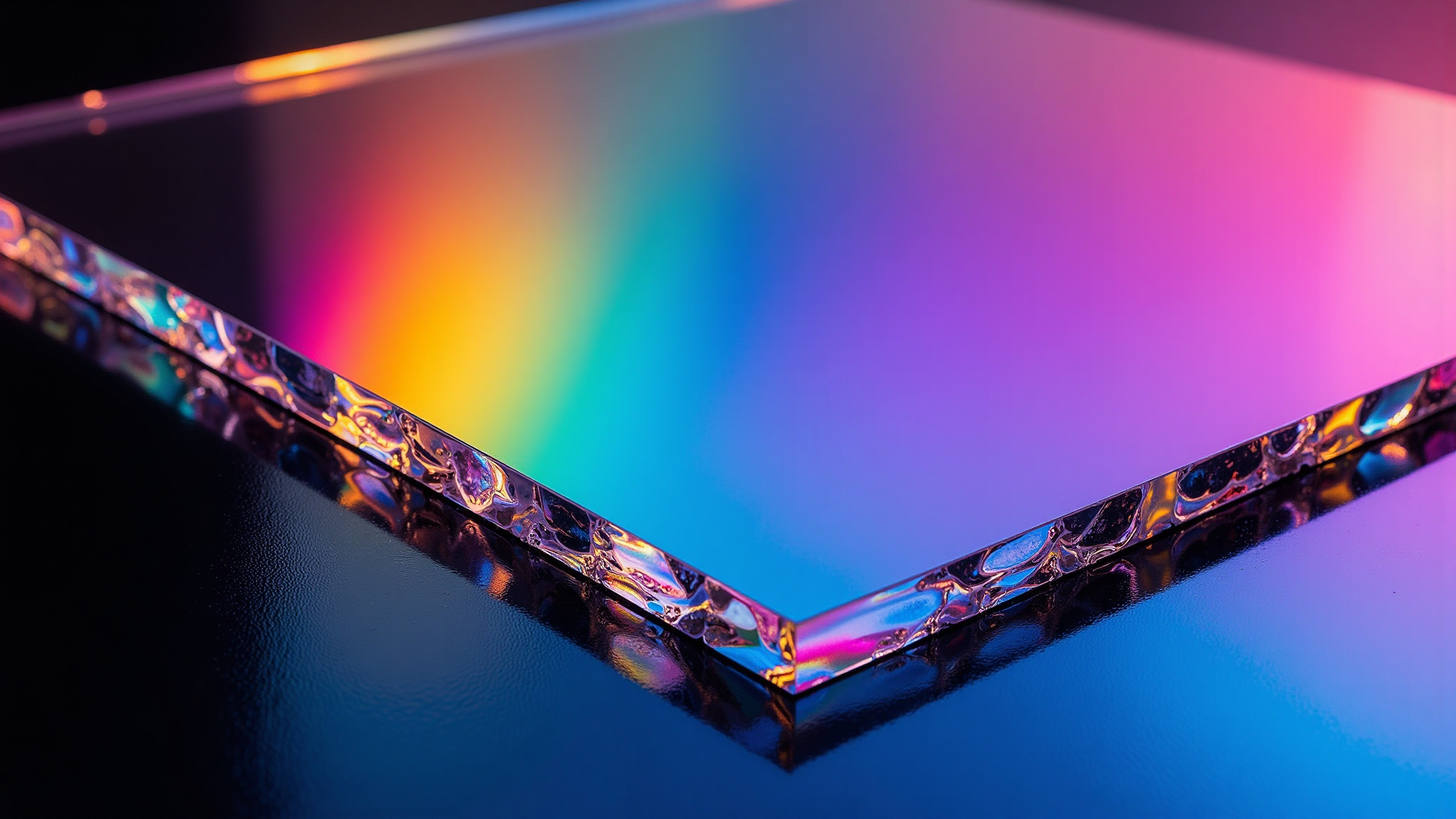
Sharp-edge resin dice have stayed popular because they photograph well and feel different from rounded moulds. The crisp faces catch light, and inclusions inside the resin become part of the design.
What sharp edges change
A sharp-edge mould gives flat faces and defined corners. That geometry shows off pigment, foil and liquid cores more clearly, but it also makes small surface flaws easier to see. Lighting and polishing therefore matter as much as the design itself.
Design ideas that work
- Layered pours that reveal a different colour on each face
- Fine metallic flake for a subtle sparkle rather than a dense glitter
- Liquid cores that move slowly and stay centred
- Two-tone sets with one contrasting d20
What to check on a sample
Look at the corners under a bright light, roll the dice on a hard table and check that inclusions do not sit on the surface. Confirm that numbers are filled evenly and that the set feels balanced in the hand. If the design relies on a liquid core, turn the die slowly and watch for bubbles or a core that sits off-centre.
Sharp edges are a style choice, not automatically a premium one. The finish and the consistency between sets are what customers notice.